What if picking up a colored pencil could quiet your stress response, sharpen your focus, and shift your brain into meditative flow — in twenty minutes or less? Science says it can. This course shows you exactly how.
The Neuroscience of Coloring and Aromatherapy is a ten-module academic course developed by the Blessed Sunshine Aromatics Institute. It connects creative wellness practices with cutting-edge brain science, giving students, educators, therapists, and curious minds the knowledge to turn coloring and essential oils from pleasant habits into powerful, evidence-based tools for lasting wellbeing.
In 10 accessible modules, you will discover how the visual cortex processes color and why different hues produce measurably distinct emotional states. You will explore how the prefrontal cortex, amygdala, motor system, and attention networks all activate simultaneously during a coloring session — and why that combination is neurologically more powerful than it appears. You will understand why mandala designs produce the strongest anxiety reduction in clinical research, what flow state actually looks like inside the brain, and how to build sessions that reliably take you there.
The aromatherapy modules reveal one of neuroscience's most compelling facts: the olfactory system is the only sense that bypasses the thalamus and connects directly to the amygdala and hippocampus — the brain's emotional core. This is why lavender can calm you within seconds, why rosemary supports memory and concentration, and why pairing the right oil with the right intention multiplies every benefit of your practice.
Every module features academic content and original coloring mandalas with supporting graphics. Students also receive access to ChromaMind — the Blessed Sunshine interactive wellness app — which guides you through evidence-based sessions, explains what each brain region is doing in real time, and helps you track your wellbeing session by session.
This course is designed to permanently change the way you understand your brain, your stress, and the science hiding inside your simplest moments of creative calm.
Enroll today. Begin where the science meets the page.
WHAT'S INCLUDED
10 accessible modules on the neuroscience of coloring and aromatherapy
personal reflection page
9 original coloring mandalas with aromatic plants
ChromaMind interactive wellness app — iOS, Android, and desktop
ChromaMind Quick-Start User Guide (Word )
Complete academic reference list in APA 7th edition format
WHO THIS IS FOR
Anyone curious about the science behind stress, calm, and creativity
Art therapists, counselors, and occupational therapists seeking evidence-based tools
Teachers and educators looking for research-supported classroom regulation activities.
Wellness practitioners wanting to deepen their aromatherapy knowledge.
Students of psychology, neuroscience, or integrative health
Anyone who colors and wants to understand why it works
LEARNING OUTCOMES
Explain how six brain systems activate simultaneously during a coloring session.
Describe the olfactory pathway and why scent reaches the limbic brain faster than any other sense.
Identify the most evidence-supported essential oils for focus, calm, and creativity.
Design a personalized coloring and aromatherapy session using neuroscience principles.
Apply the Student Observation Record as a personal or classroom wellbeing tracking tool.
Interpret peer-reviewed research on coloring, mindfulness, and stress reduction.
The Blessed Sunshine Aromatics Institute brings ancient aromatic wisdom and modern brain science together, translating evidence-based research into accessible, transformative wellness practices for individuals, classrooms, and clinical settings.
MODULE 1
Introduction: Where Art Meets the Brain
The Visual Brain: How We See Color
3.1
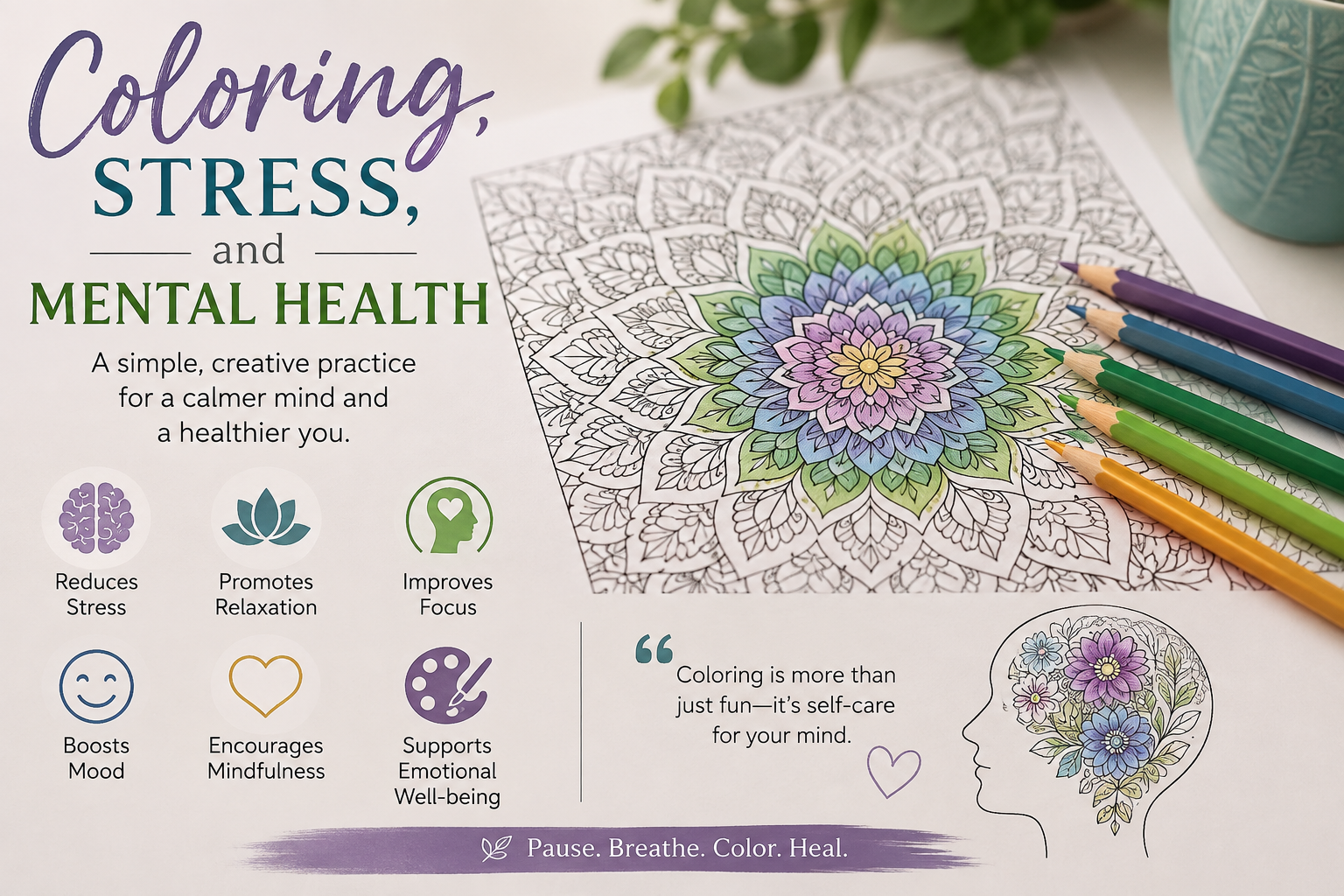
Coloring, Stress, and Mental Health
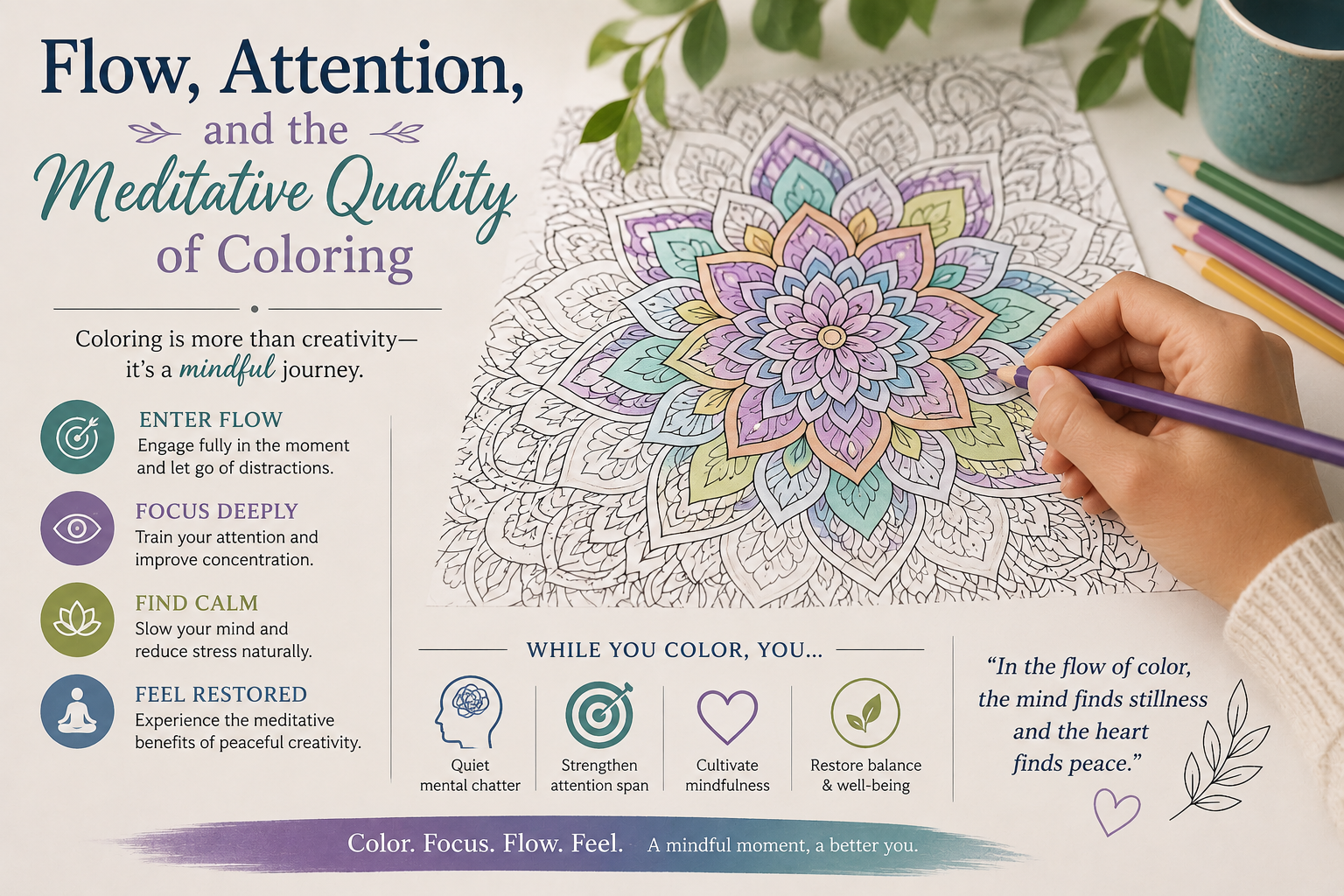
Flow, Attention, and the Meditative Quality of Coloring
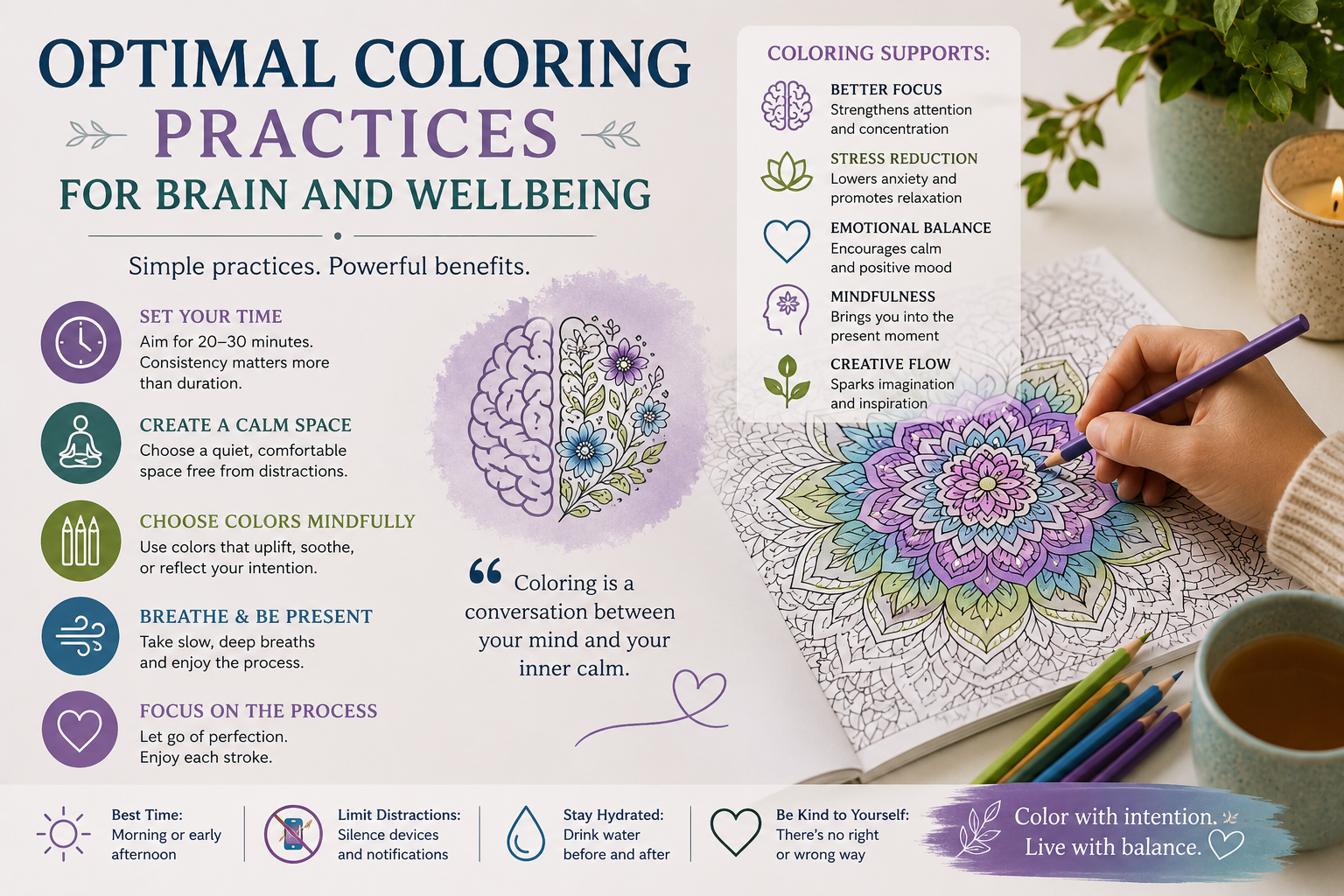
Optimal Coloring Practices for Brain and Wellbeing
Essential Oils for Focus, Calm, and Creativity
Practical Applications: Classroom, Clinic, and Daily Life
MODULE 10
Academic References